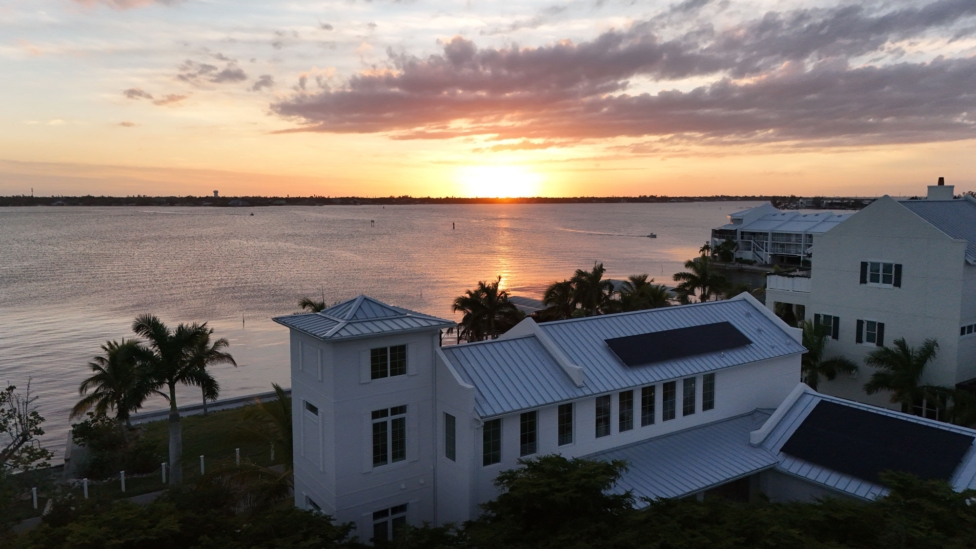
How to Protect Stainless Steel Grills in Coastal and Harsh Climates
Knowing how to protect stainless steel grills from salt air, pool chemicals, and harsh weather is the conversation most homeowners never have before they build. Here is the short answer: clean after every use, dry the surface immediately, apply a stainless steel polish monthly, and use a fitted breathable cover when the grill is not in use. In coastal or harsh climates, add a fresh water rinse after each cook and apply a clear protective coating once a year. That routine alone puts you well ahead of the problem.
The decisions you make before installation matter just as much as what you do afterward. Get those right, and your outdoor kitchen becomes the kind of space that holds up beautifully through salt air, hard winters, and years of heavy use — exactly the way it should.
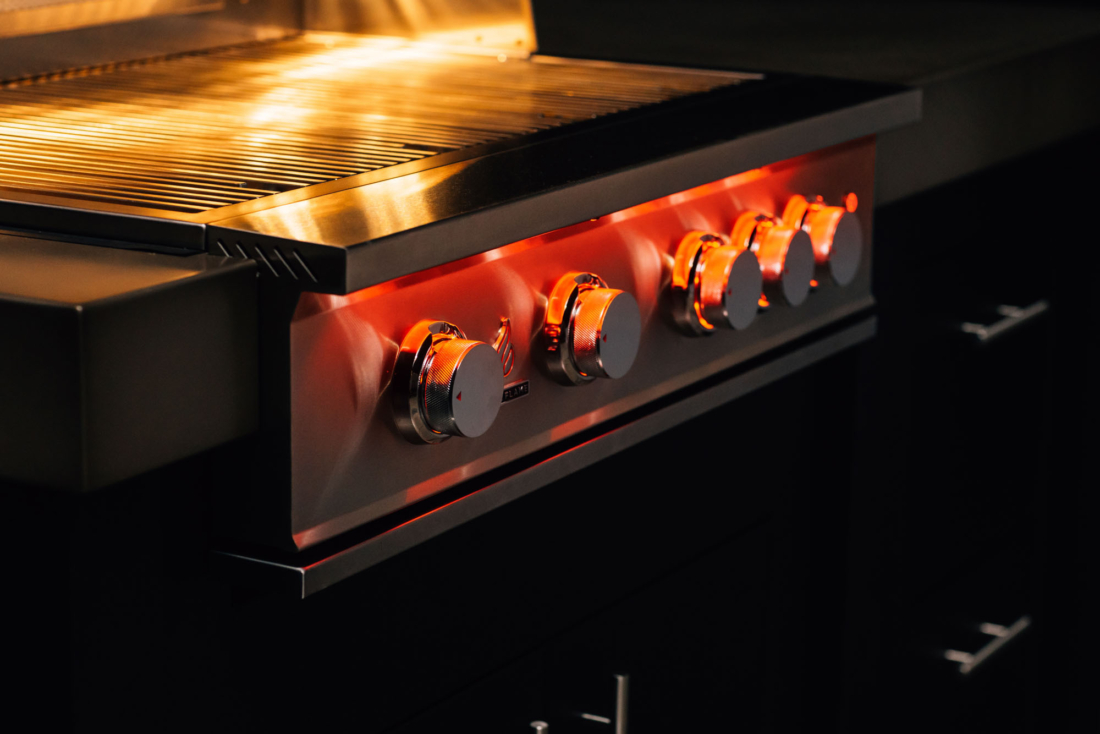
Why Your #304 Stainless Steel Grill Is Built to Last — and How to Keep It That Way
Stainless steel derives its corrosion resistance from an invisible shield: a thin chromium oxide layer that forms when the steel comes into contact with oxygen. That layer resists rust far better than standard carbon steel — and in comfortable conditions, it is remarkably self-sustaining.
Harsh environments attack that layer steadily, though. Salt particles bind to the surface and pull moisture in. Airborne pool chemicals settle on the finish. Heat cycles and UV rays add stress over time. The film holds — but only with consistent support.
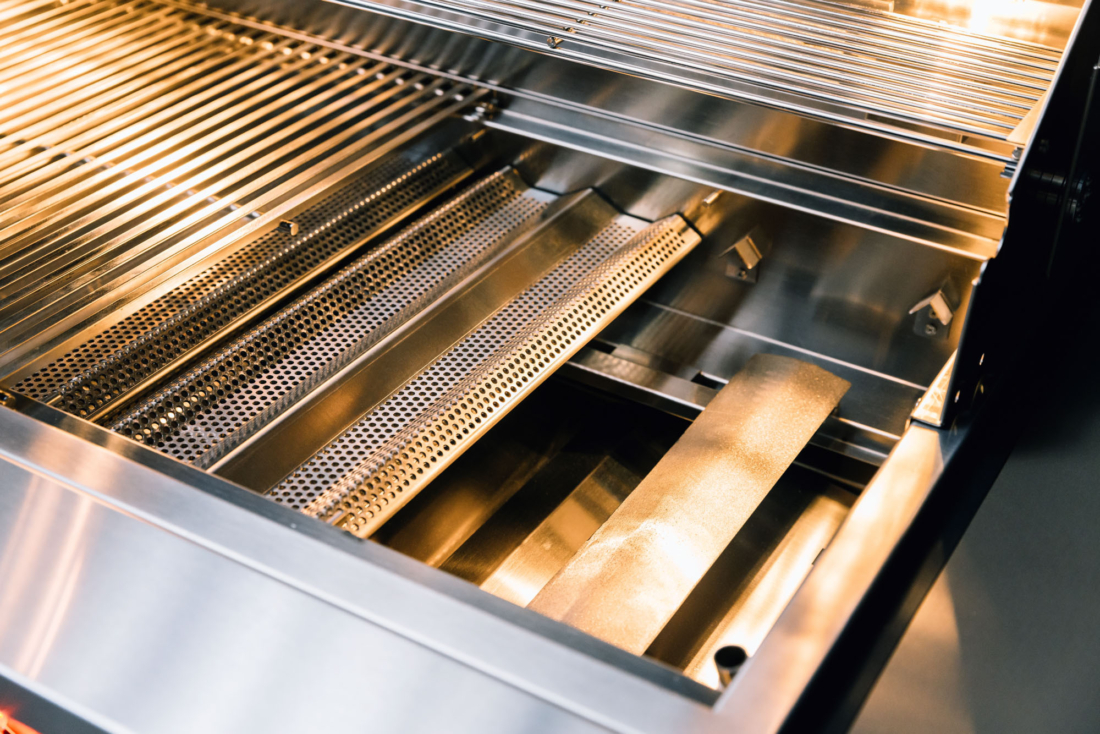
Steel grade determines how much headroom you have before maintenance becomes urgent. TrueFlame grills are built with #304 stainless steel across every component — cast burners, square cooking grates, doors, drawers, refrigeration, and sink units. Grade 304 contains at least 18% chromium and 8% nickel, according to the Specialty Steel Industry of North America, giving it noticeably stronger corrosion resistance than 400-series alternatives. That advantage matters most where grills take the hardest beating: coastal zones, poolside environments, and freeze-thaw climates.
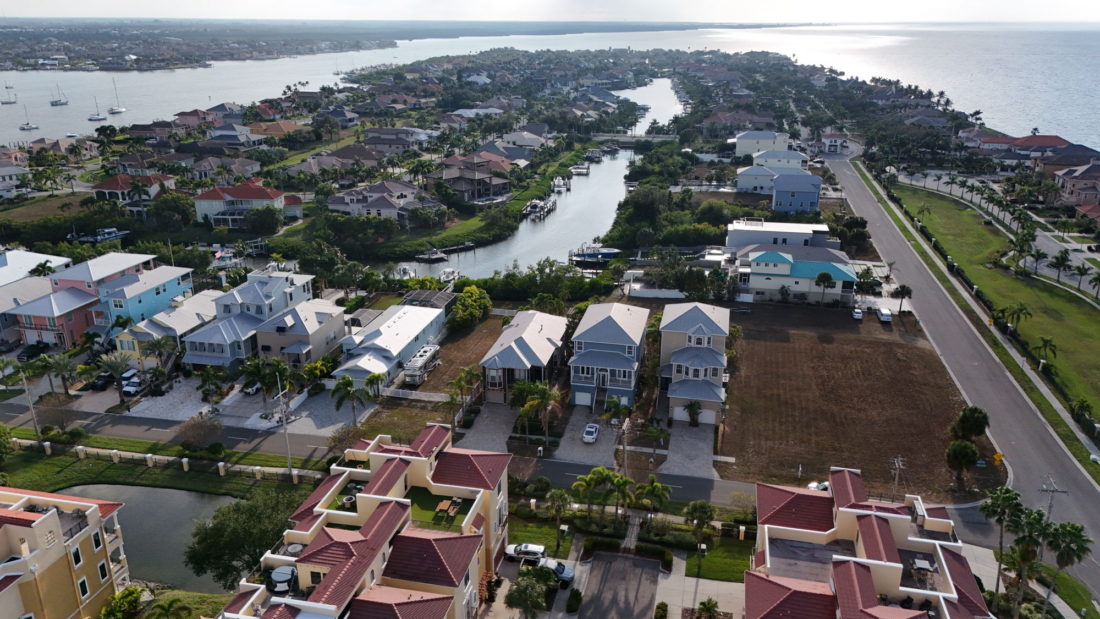
What Stainless Steel in Coastal Conditions Is Really Up Against
Understanding what your environment throws at stainless steel makes your maintenance routine feel purposeful rather than arbitrary.
- Salt air and humidity: Salt particles are microscopic and travel far inland on prevailing winds — homes several miles from the water still experience accelerated corrosion.
- Pool and spa chemicals: Chlorine and bromine are highly corrosive to metal. Airborne drift, splash, and evaporation reach nearby surfaces even without direct contact.
- Lawn and fertilizer runoff: Many fertilizers contain chlorides and sulfates that degrade the chromium oxide layer. Avoid spraying near the grill or kitchen island.
- Tree sap and organic debris: Sap is acidic and bonds to steel, trapping moisture beneath it. Leaves left on the hood create the same slow problem.
- UV exposure on hoses and gaskets: Sunlight degrades rubber fittings faster than steel. Cracked fuel hoses are a safety issue — inspect them regularly.
- Freeze-thaw cycles: Water that seeps into seams and freezes stresses welds over time, even in a well-built grill.
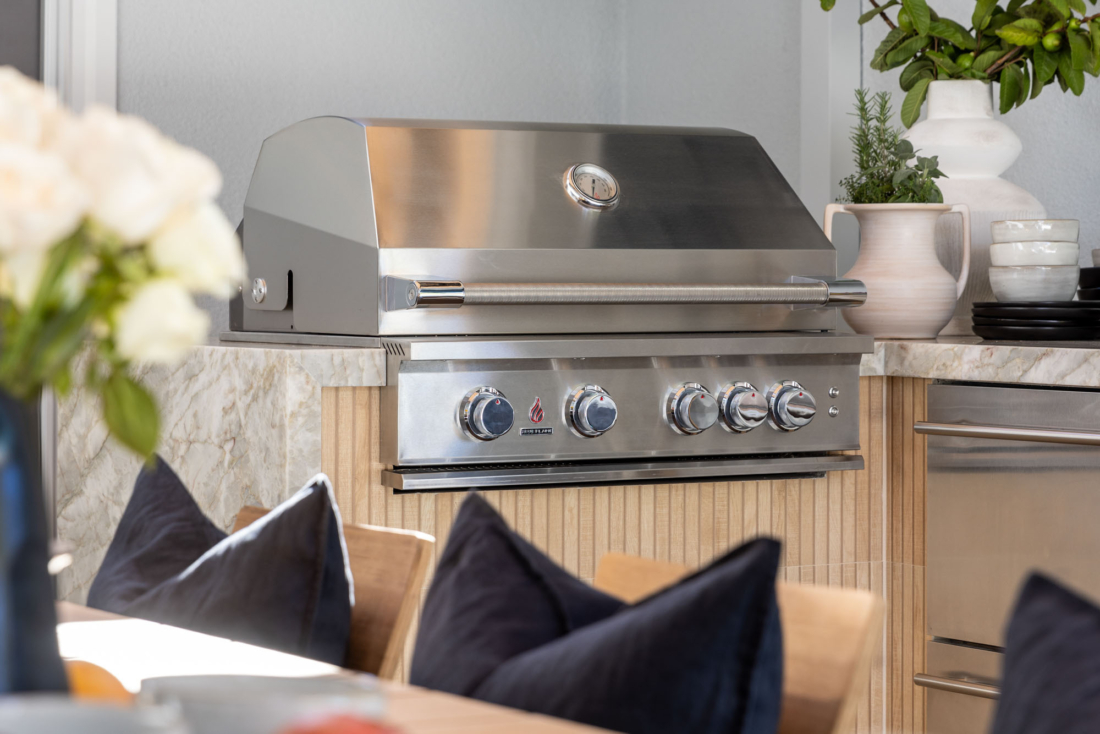
Smart Placement: The Biggest Grill Protection Decision You Make Before Build Day
For homeowners planning an outdoor kitchen, placement is the most consequential protective decision — and the hardest to reverse once the island is set.
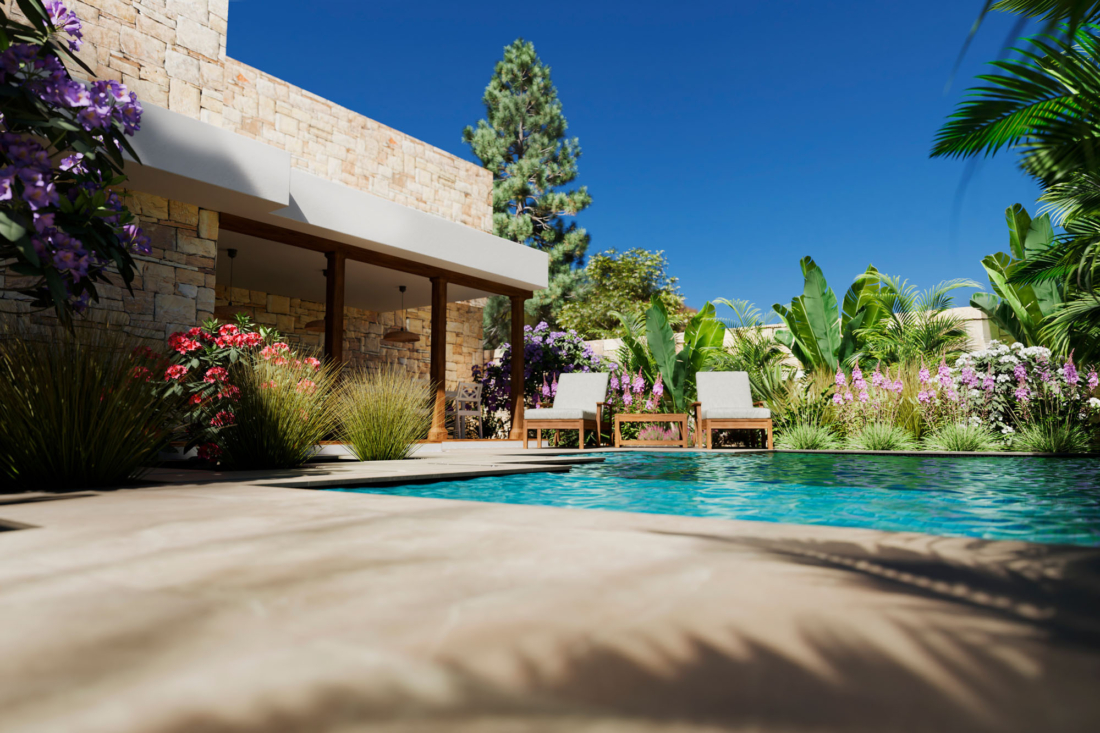
Keep the grill at least 50 feet from pool equipment and chemical storage. In salt-air zones, a kitchen island with a pergola or covered structure on the windward side sharply reduces direct salt exposure. That overhead structure does more for long-term preservation than almost any topical product applied later.
Shade trees feel appealing in summer heat, but sap drip and leaf debris make them poor neighbors for stainless steel. Also, verify that your built-in grill has the clearance specified in the installation manual — blocked ventilation creates heat buildup that stresses internal components.
An authorized TrueFlame dealer can walk through the placement strategy before the concrete goes in.
A Daily Routine That Keeps Stainless Grills Looking and Performing Their Best
A consistent short routine after every cook beats an occasional aggressive deep clean. Five steps, done regularly, make a significant difference:
- Brush the grates while still warm. Food releases cleanly from a warm surface. A bristle-free brush is the right choice — wire bristles scratch the finish and leave embedded metal fragments.
- Wipe down exterior surfaces. A damp microfiber cloth lifts grease, splatters, and airborne particles before they bond.
- Dry everything immediately. Water sitting on stainless steel — especially in salt-air zones — invites oxidation. Wipe the surface dry with a clean cloth.
- Apply a light oil coat to the grates. High-smoke-point oils work best: canola (~400°F), avocado (~520°F), or grapeseed (~420°F). Avoid olive oil — it burns at lower temperatures and leaves a tacky residue.
- Check for pooling water. Lid edges, corners, and the interior floor are common collection points. Standing water is one of the fastest paths to surface rust.
TrueFlame's square stainless steel cooking grates are designed for easy post-cook cleaning — an advantage that holds only if you use the right tools.
Choosing the Right Tools — and Skipping the Ones That Cause Hidden Damage
The instinct to scrub hard when a grill surface looks dirty is understandable. For stainless steel, though, abrasion is the enemy. Many owners cause more surface damage than the environment ever would — without realizing it.
Reach for: a bristle-free grill brush, microfiber cloths, a silicone basting brush for oiling, and a baking soda-and-water paste for stubborn grease spots. These clean effectively without scratching.
Step away from: wire brushes, steel wool, abrasive scouring pads, and any chemical degreaser not rated for stainless steel. Wire brushes cut micro-grooves into the surface where moisture collects, leaving embedded metal shards that corrode from the inside out.
Build the Patina — Your Grates' Best Natural Defense
Seasoning is not exclusive to cast iron. The grates on a stainless steel grill develop a patina over time — a combination of heat discoloration and polymerized cooking oil that creates a non-stick, corrosion-resistant layer. In coastal climates, that patina acts as an additional barrier between the steel and the elements.
After cleaning, apply a thin, even coat of oil while the grates are still warm. Use a silicone brush or a folded paper towel, and keep the application light — excess oil builds up into a gummy film rather than a protective layer. After any deep clean that strips the surface back, always re-season before the next cook.
How to Protect Stainless Steel Grills: The Coastal and Harsh Climate Protocol
Standard maintenance works well in moderate conditions. Salt air, pool environments, and freeze-thaw climates call for a stepped-up schedule.
After every use: Run the five-step routine above in full. If the grill sits within five miles of the ocean or within range of pool drift, add a fresh-water rinse to all exterior surfaces. Salt particles are invisible — rinsing catches what wiping alone misses.
Monthly: Polish all exterior surfaces with a dedicated stainless steel polish, following the grain of the steel. Inspect for early tea-staining — a brown or orange tint that signals salt-air oxidation taking hold. Treat it immediately with a stainless steel cleaner before it deepens. Check gaskets and fuel hoses for cracks, and inspect the burner tubes for debris or blockages.
Cover your grill correctly. A fitted, breathable cover in a nylon or polyester blend guards the exterior from rain, UV rays, and airborne salt. Breathability matters — a sealed plastic tarp traps moisture against the steel, accelerating corrosion. Never cover a hot or wet grill, and open the hood occasionally during long storage to release trapped condensation.
Seasonally and annually: Deep clean and re-season all grates. In marine or poolside environments, apply or reapply a clear protective coating to exterior steel surfaces — only on clean, rust-free steel. Coating over active rust traps the corrosion and speeds up damage. Inspect burners, ignition components, and hardware for wear. An authorized dealer can advise on compatible replacement parts.
TrueFlame's Gold Standard Lifetime Warranty means parts remain accessible when you need them. Staying on a consistent schedule is what keeps that warranty from ever becoming necessary.
Surface Rust Can Happen — Here's What To Do
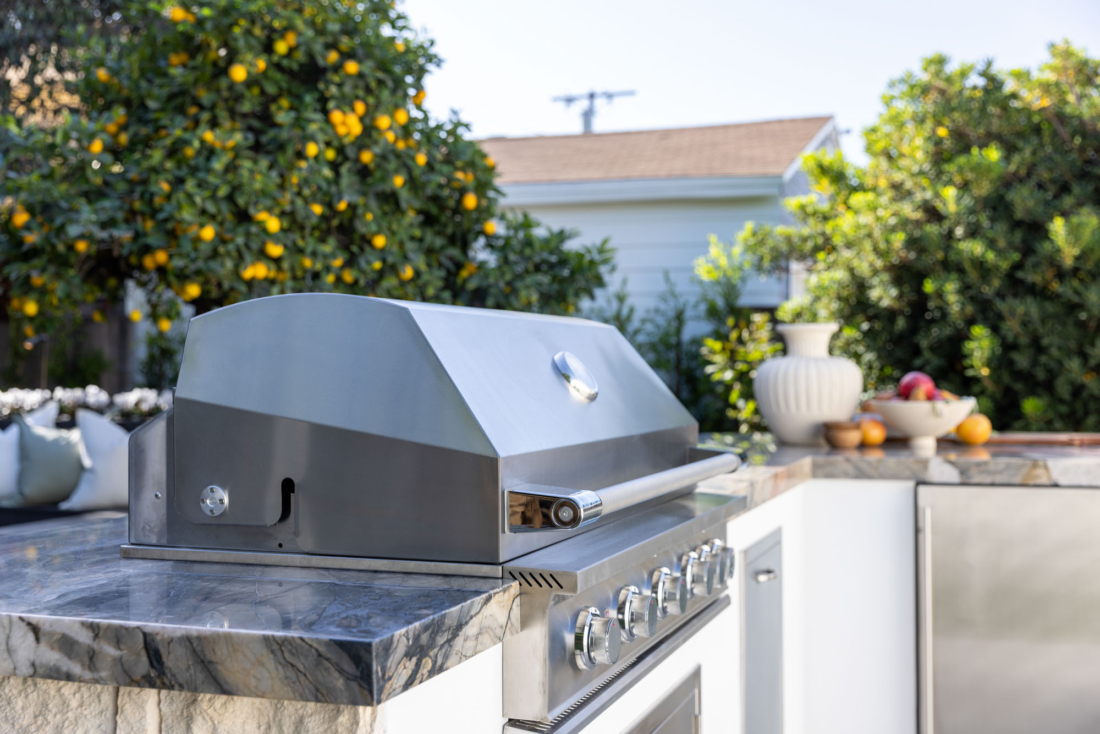
Even a well-maintained grill in a coastal zone will occasionally develop surface rust. Treat it as useful information and act promptly.
For light rust or early tea-staining, apply WD-40 or a stainless steel polish directly to the affected area and wipe clean with a dry cloth. Follow that with a fresh coat of standard stainless polish to restore surface protection.
For moderate rust that won't wipe away, use a dedicated stainless steel rust remover. Let it dwell according to the product directions, wipe clean, rinse with water, dry immediately, and apply a protectant. A non-abrasive scrubbing pad works well on textured spots — always scrub with the grain, never across it.
Deep pitting that returns within days of treatment signals a compromised passive layer. A professional-grade restoration process is the right path: chemical cleaning, neutralization, then resealing with a clear coating. Applying any sealant over active rust locks in the corrosion and worsens the outcome.
Set Your Outdoor Kitchen Up Right From the Very Beginning
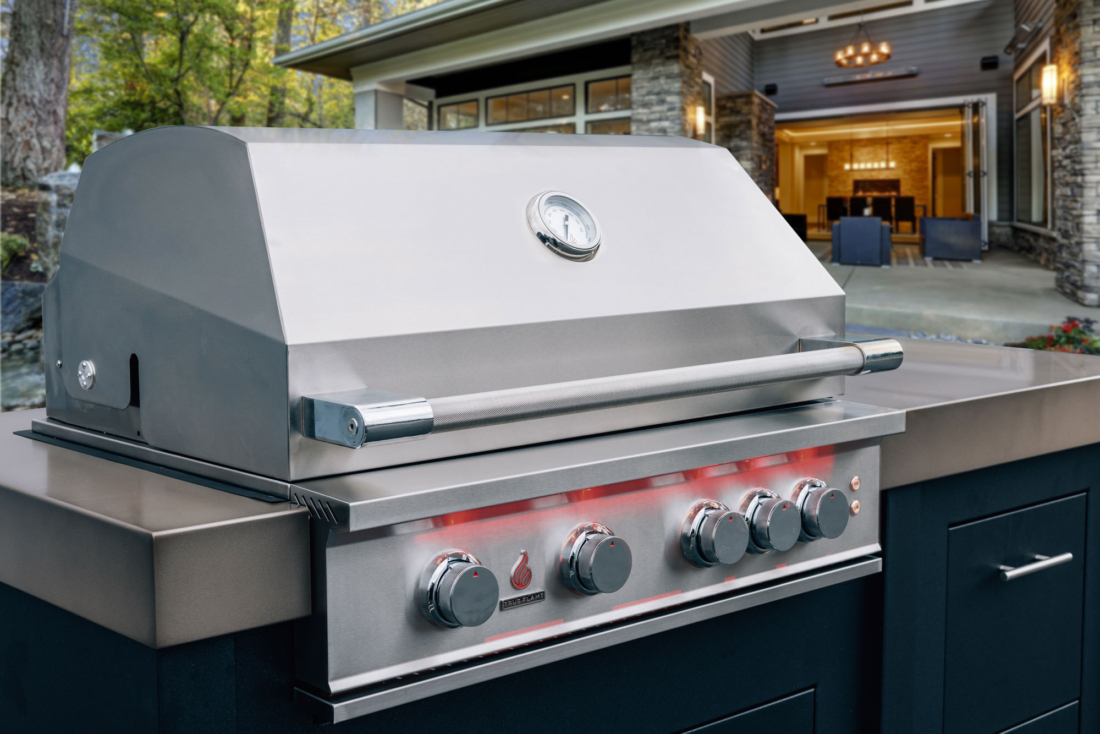
The strongest protection strategy starts at the planning stage. As you design or upgrade your outdoor kitchen, work through this checklist:
- Confirm #304 stainless steel construction on every component — grill, doors, drawers, refrigeration, and sink
- Choose placement at least 50 feet from pool equipment, chemical storage, and tree canopy
- Account for prevailing wind direction in salt-air zones and factor in a pergola or covered structure
- Budget for a fitted breathable cover, stainless steel polish, a bristle-free brush, and a high-smoke-point oil
- Connect with an authorized TrueFlame dealer for placement advice and ongoing parts support
- Schedule a maintenance check at 30 days post-install, then follow the seasonal protocol above
Your outdoor kitchen pays back in years of good meals and easy gatherings. Stainless steel in coastal conditions is a manageable situation — the right grade of steel, thoughtful placement, and a steady routine are all it takes. TrueFlame builds the foundation. What you do from day one is what makes it last.
Find an authorized TrueFlame dealer near you →
Frequently Asked Questions
How often should I clean a stainless steel grill near the ocean? Clean the grill after every use and rinse the exterior with fresh water the same day. Salt particles are fine enough to settle on surfaces without being visible, so a post-cook rinse removes what a standard wipedown misses. Polish the exterior once a month and apply a protective coating annually.
Can I use WD-40 on a stainless steel grill? Yes — for light surface rust or early tea-staining, WD-40 is a practical first response. Spray it on the affected area, wipe with a dry cloth, and follow with a stainless steel polish to restore the surface barrier. For deeper corrosion, use a stainless steel rust remover formulated for that purpose instead.
What is tea-staining, and is it serious? Tea-staining is a brownish or orange discoloration that appears on stainless steel exposed to salt air and humidity. It is surface oxidation on the chromium oxide layer, not structural rust. Caught early, it can be cleaned with a stainless steel cleaner and polish. Left untreated, it can progress to deeper corrosion — so treat it as soon as you spot it.
Does a grill cover help or trap moisture? A properly chosen cover helps a great deal. Choose a fitted breathable cover in a nylon or polyester blend — breathable materials allow moisture vapor to escape rather than condensing inside. Avoid solid plastic tarps, which trap humidity against the steel and accelerate the exact damage you are trying to prevent.
What is the difference between #304 and lower-grade stainless steel for outdoor grills? Grade 304 contains at least 18% chromium and 8% nickel, which creates a thicker, more durable chromium oxide layer than grades with lower chromium content. In practical terms, #304 resists pitting, tea-staining, and surface corrosion significantly longer — especially in salt air, poolside, or high-humidity environments. All TrueFlame kitchen components, including grills, doors, drawers, refrigeration, and sinks, are built with #304 stainless steel.
How do I season stainless steel grill grates? After cleaning, apply a thin coat of high-smoke-point oil — canola, avocado, or grapeseed — to the grates while they are still warm. Use a silicone brush or a folded paper towel and keep the layer light. Heat the grill to medium-high for about 10 minutes to polymerize the oil, then let the grates cool before the next use. Repeat this step after every deep clean.